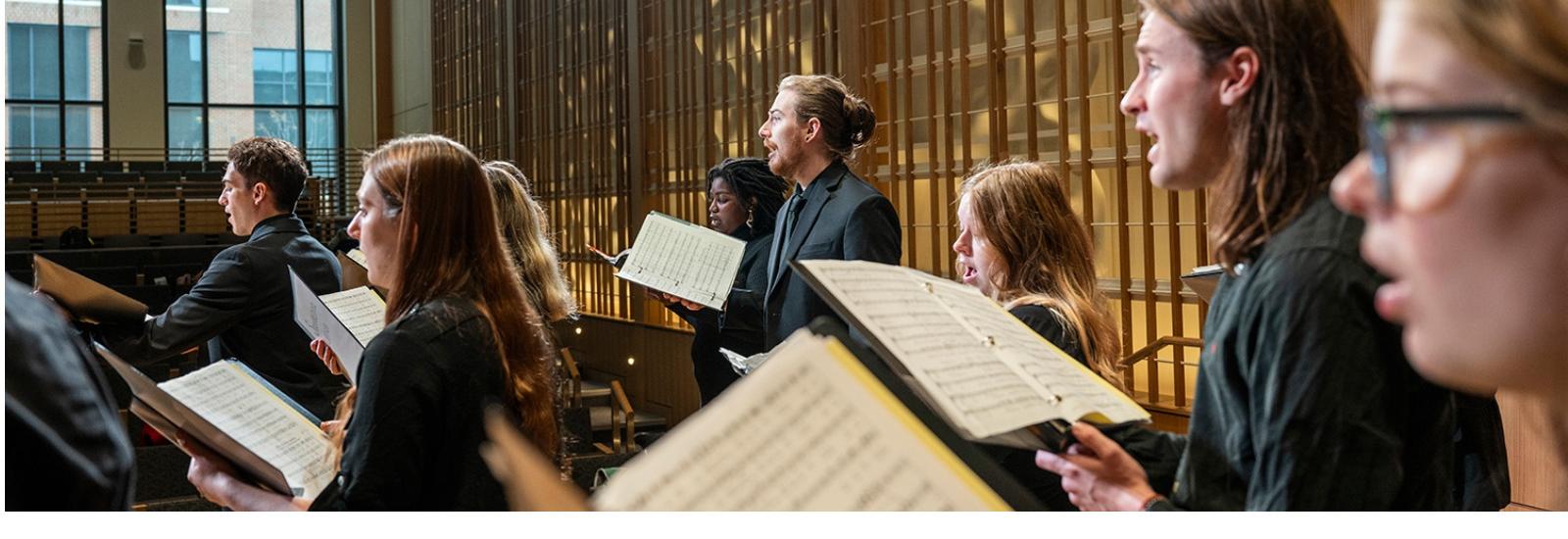
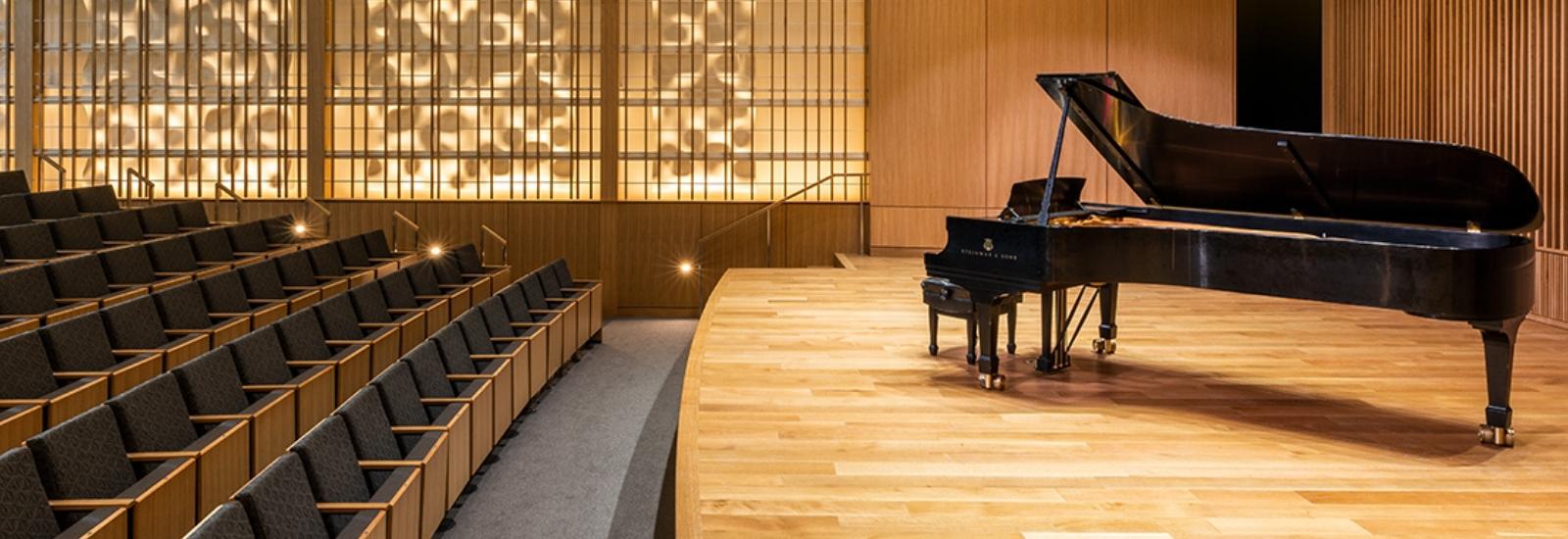
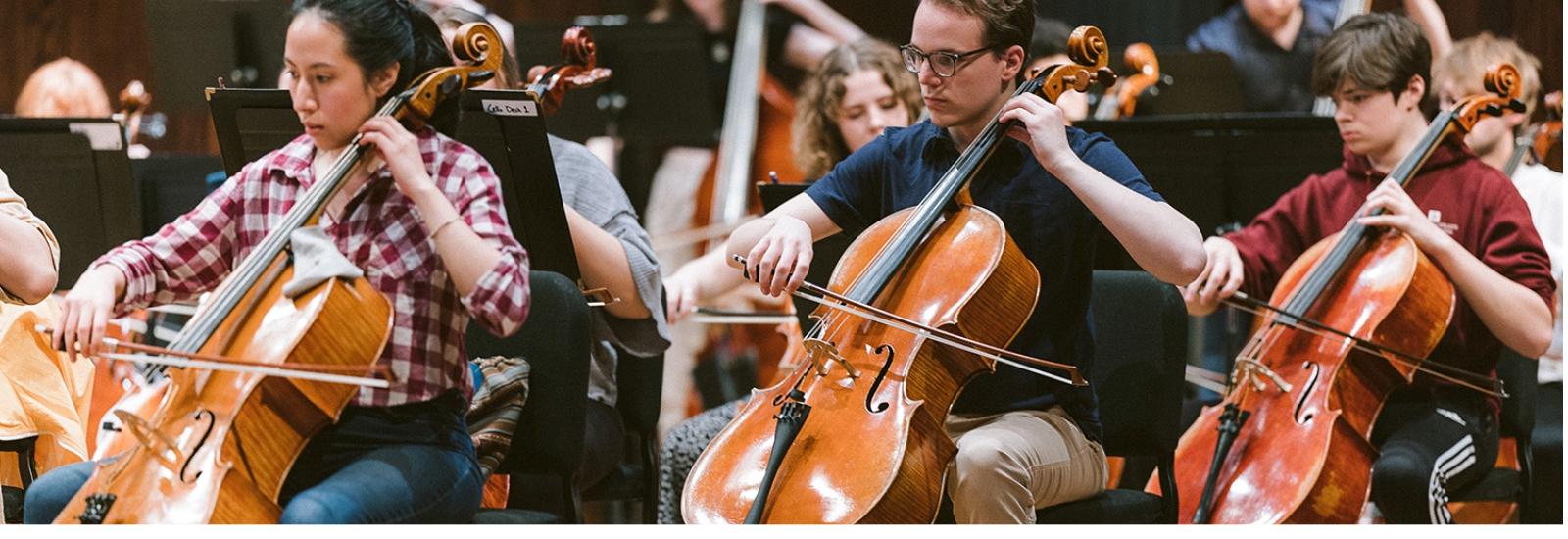
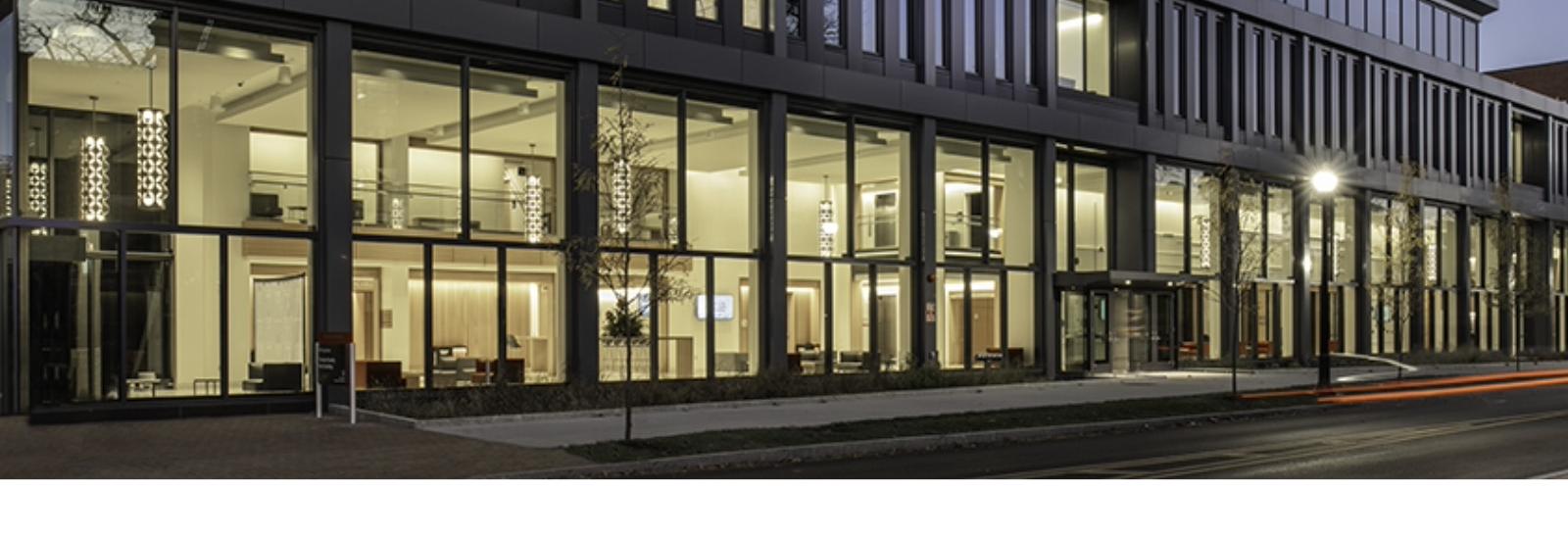
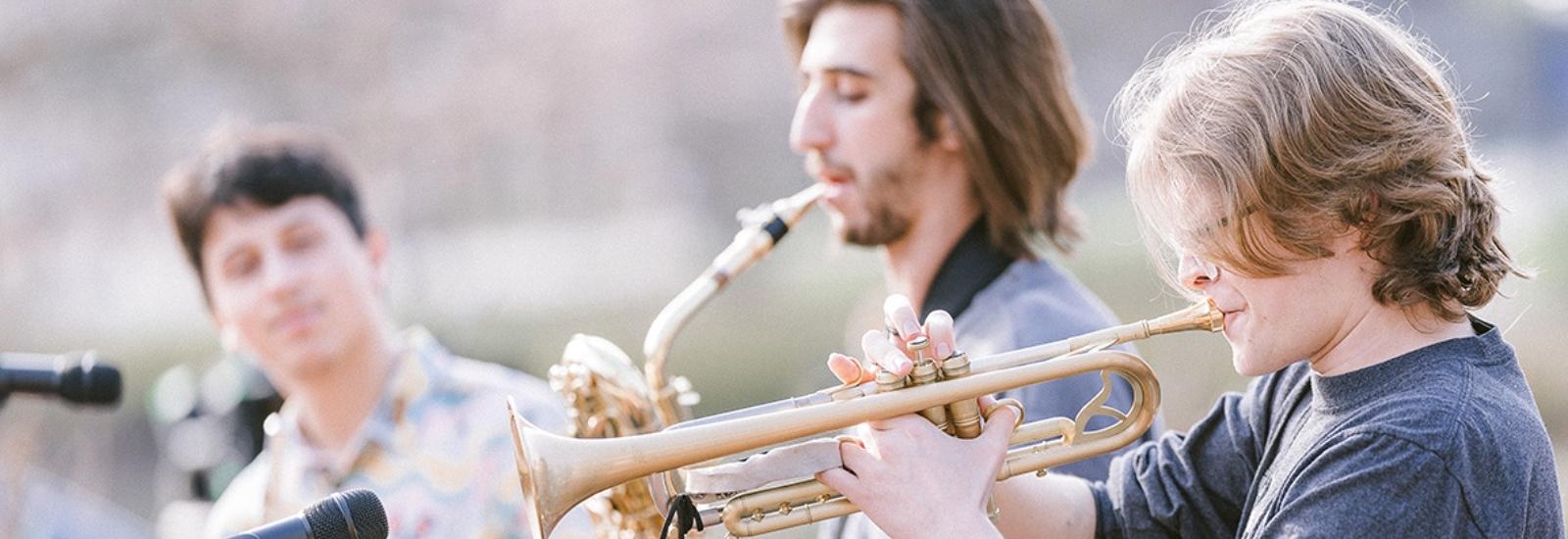
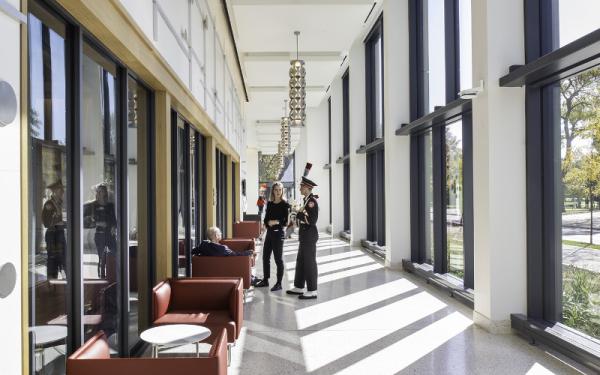
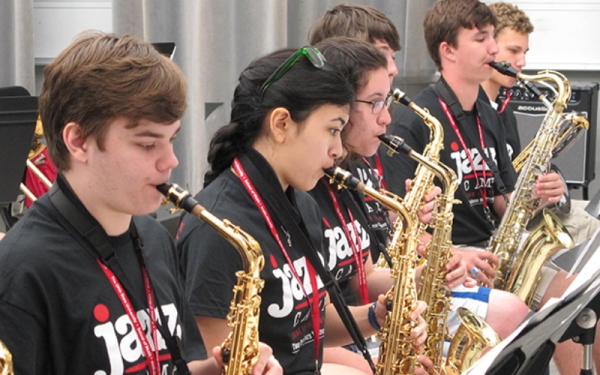
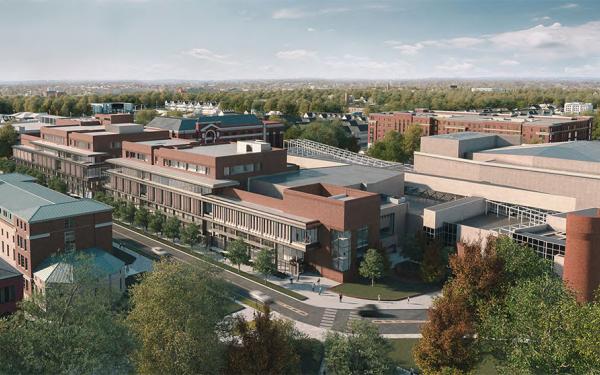
WHERE WILL MUSIC TAKE YOU? We are a vibrant community that explores the transformative nature of music — its past, present and future. Future Undergraduates Future Graduate Students Event Calendar HEAR US LIVE The Timashev Family Music Building is your destination for free concert experiences. EVENTS WHERE WILL MUSIC TAKE YOU? We are a vibrant community that explores the transformative nature of music — its past, present and future. Future Undergraduates Future Graduate Students HEAR US LIVE The Timashev Family Music Building is your destination for free concert experiences. EVENTS WHERE WILL MUSIC TAKE YOU? We are a vibrant community that explores the transformative nature of music — its past, present and future. Future Undergraduates Future Graduate Students Previous Next Future Students Current Students Ensembles Outreach Arts District